
Categories
All Lab News Publication

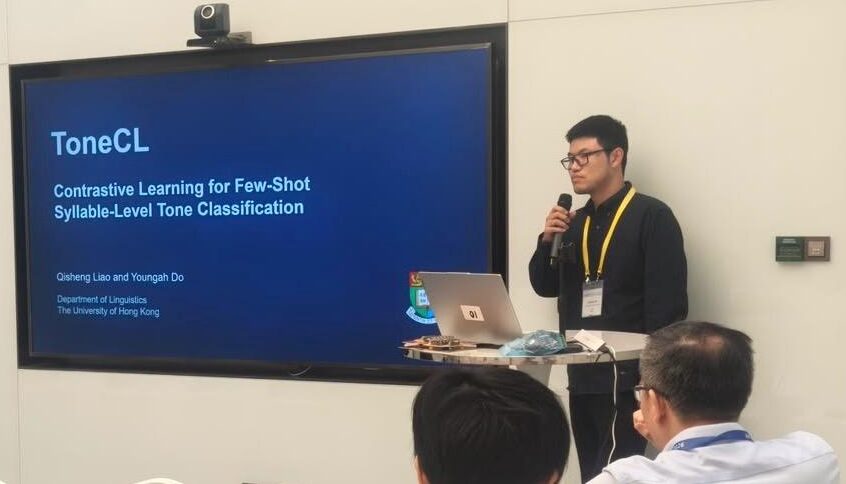
“ToneCL:Contrastive Learning for Few-Shot Syllable-Level Tone Classification” published in Association for Computational Linguistics

We are pleased to share a new publication by Qisheng and Youngah, titled ToneCL: Contrastive Learning for Few-Shot Syllable-Level Tone Classification, published in the Proceedings of the 15th International Joint Conference on Natural Language Processing and the 5th Conference of the Asia-Pacific Chapter of the Association for Computational Linguistics (Volume 1: Long Papers).

In this study, Qisheng and Youngah introduce ToneCL, a lightweight contrastive learning framework designed for few-shot syllable-level tone classification. Contrastive learning allows a model to learn useful speech representations from large amounts of unlabeled audio before being fine-tuned with only a small number of labeled examples. This approach is particularly valuable for low-resource languages, where annotated speech data are often scarce and expensive to collect.

To evaluate the framework, the authors simulated low-resource conditions using Mandarin and Vietnamese speech data, limiting training data to only tens of labeled examples per tone category. ToneCL consistently outperformed comparison methods, achieving 91.6% accuracy on a six-speaker Mandarin dataset with just ten labeled examples per tone. The study also demonstrated strong cross-lingual transfer, showing that pretraining on Vietnamese speech can effectively support tone classification in Mandarin. An ablation analysis further revealed that frequency band rejection was the most important augmentation technique contributing to the model’s performance.

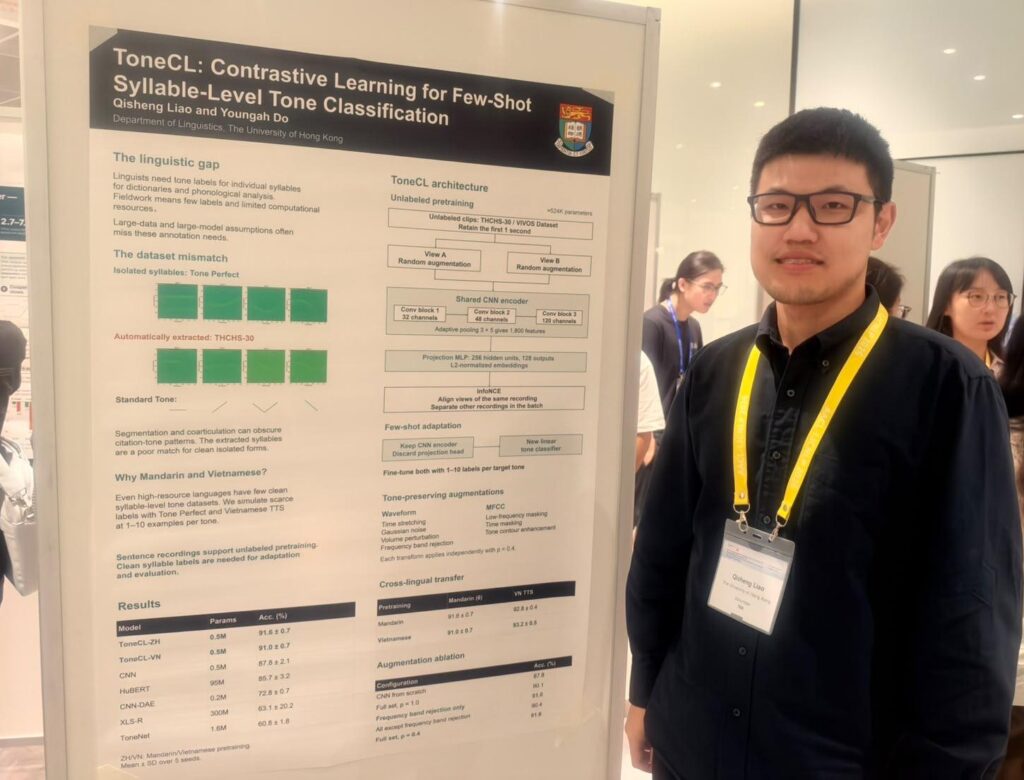
In addition to the publication, Qisheng presented “ToneCL: Contrastive Learning for Few-Shot Syllable-Level Tone Classification” as an oral presentation at the AACL-IJCNLP 2026 main conference. The talk was part of the Machine Translation and Phonology session, held on Saturday, November 7. The presentation provided an opportunity to share the study’s findings with the wider computational linguistics community as part of a conference program.

Liao, Q., & Do, Y. (2006). ToneCL: Contrastive learning for few-shot syllable-level tone classification. In Y. Zhang, R. Xu, A. Purwarianti, T. Rong, & J. Suzuki (Eds.), Proceedings of the 15th International Joint Conference on Natural Language Processing and the 5th Conference of the Asia-Pacific Chapter of the Association for Computational Linguistics (Volume 1: Long Papers) (pp. 1513–1525). Association for Computational Linguistics. open_in_new URL
Categories
All Lab News

AI for Inclusion: Demonstrating HKSL Handshape Detection at InnoCarnival 2026

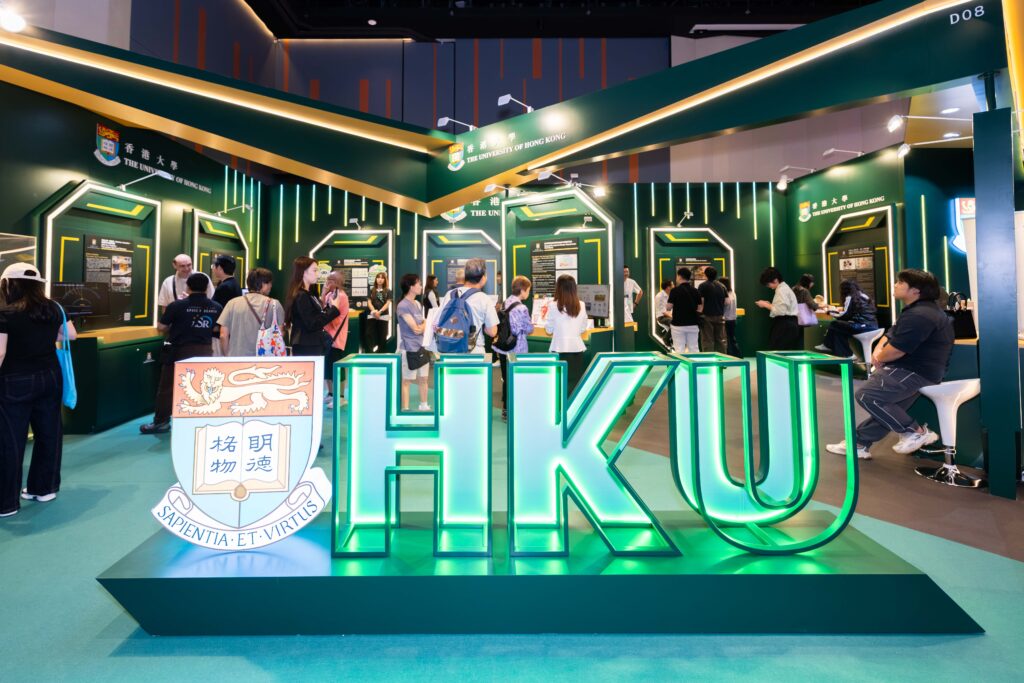
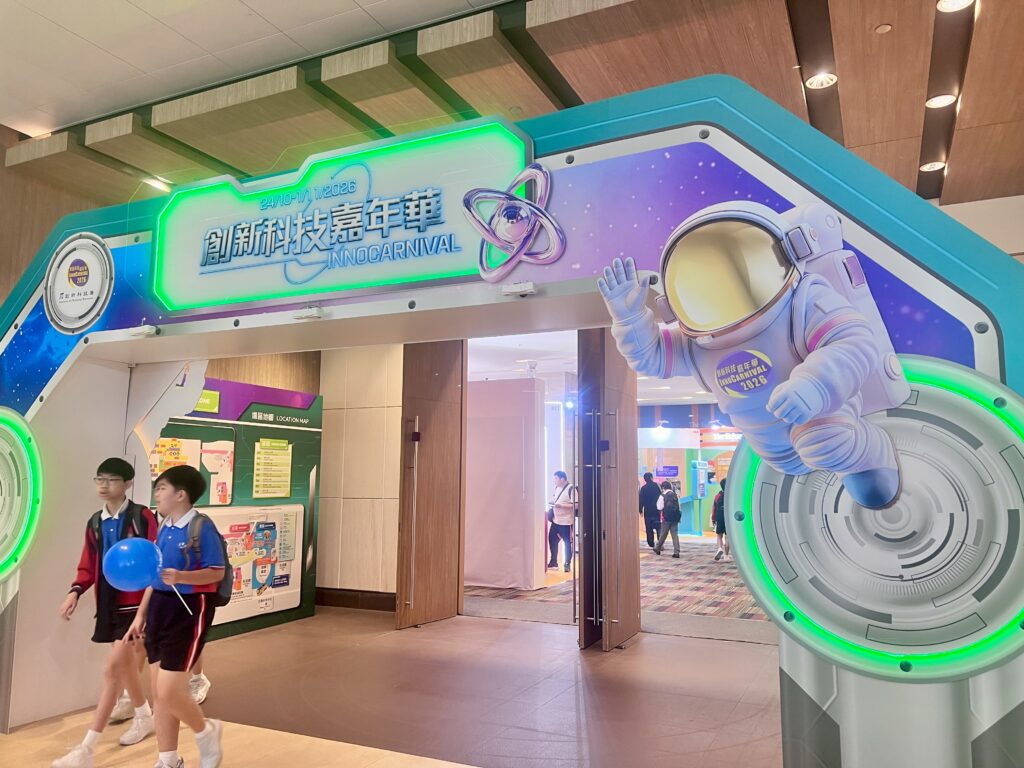
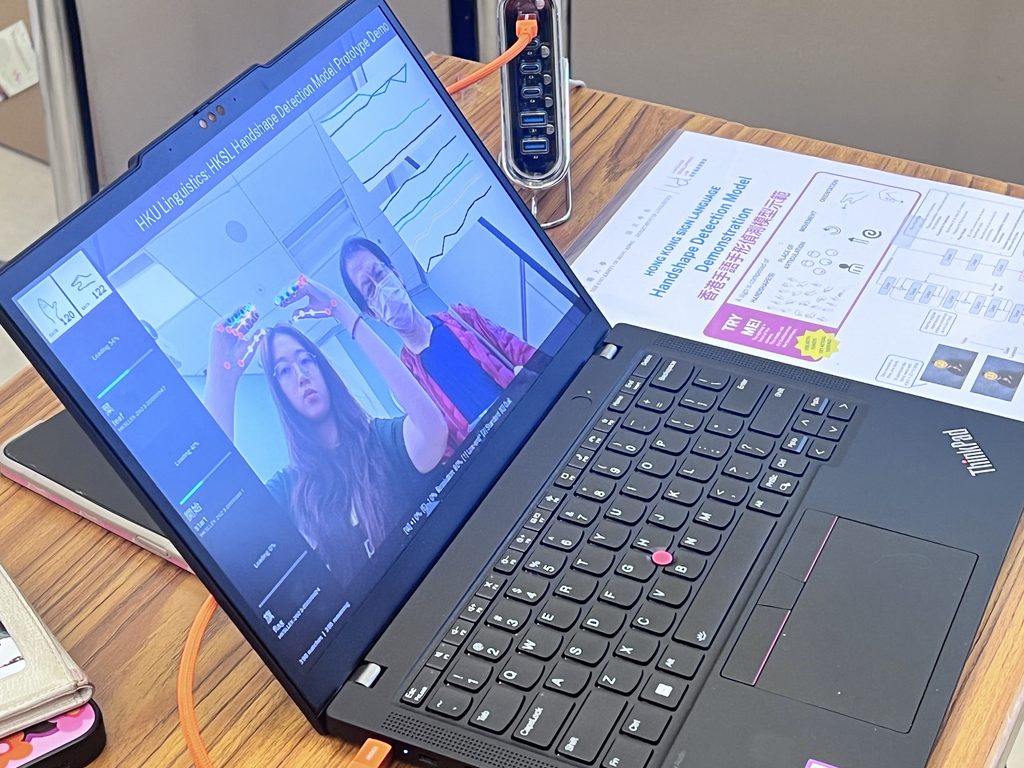
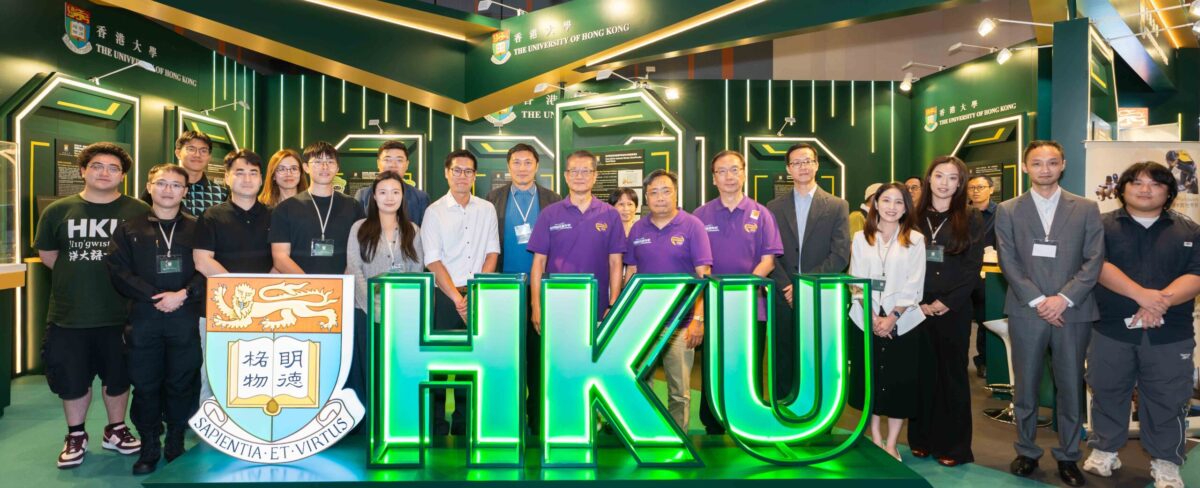
Our lab was thrilled to take part in InnoCarnival 2026, held from 24 October to 1 November at Hong Kong Science Park. Organised by the Innovation and Technology Commission, the Carnival celebrates innovation and technology across the community through interactive exhibitions, workshops, games, and showcases of local research achievements.

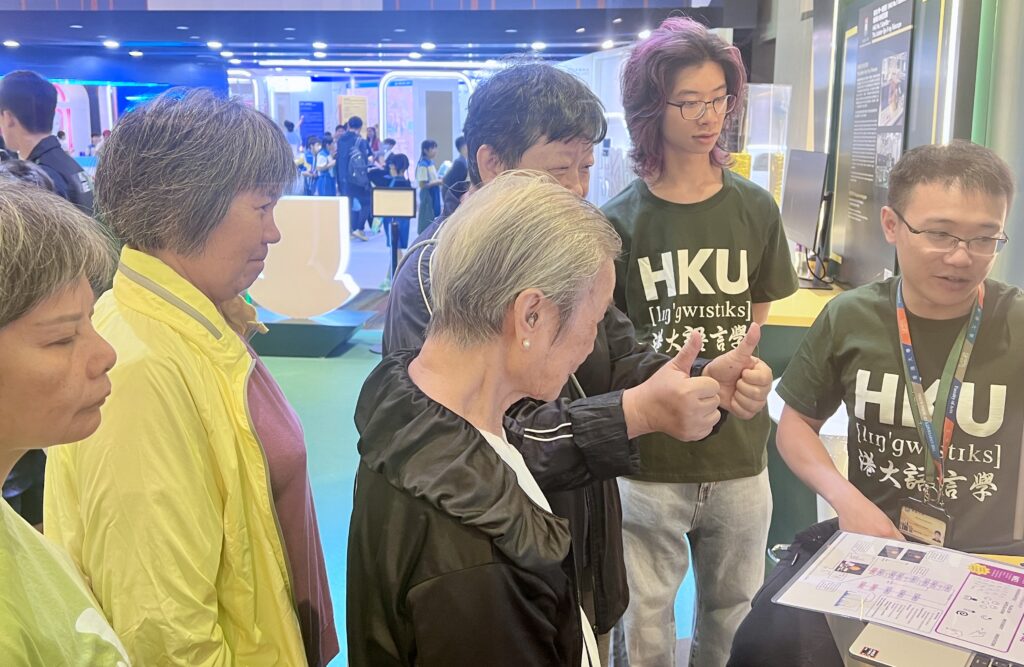
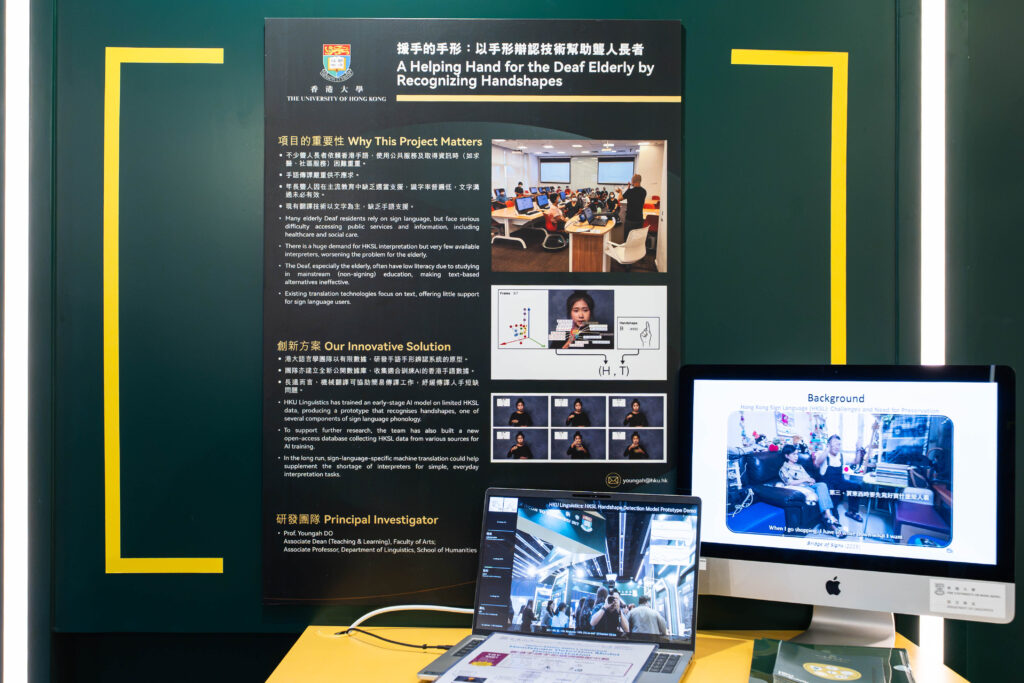
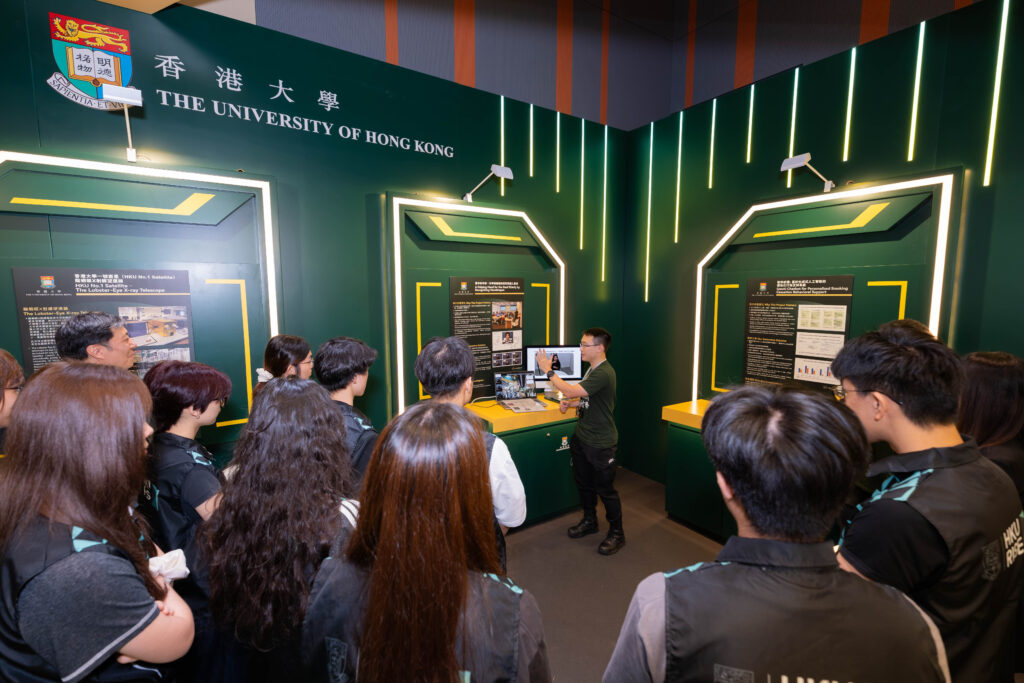
At our booth, “A Helping Hand for the Deaf Elderly by Recognizing Handshapes,” we created an interactive, technology-led experience that brought Hong Kong Sign Language (HKSL) research to life in an accessible, engaging, and enjoyable way for visitors of all ages and backgrounds.

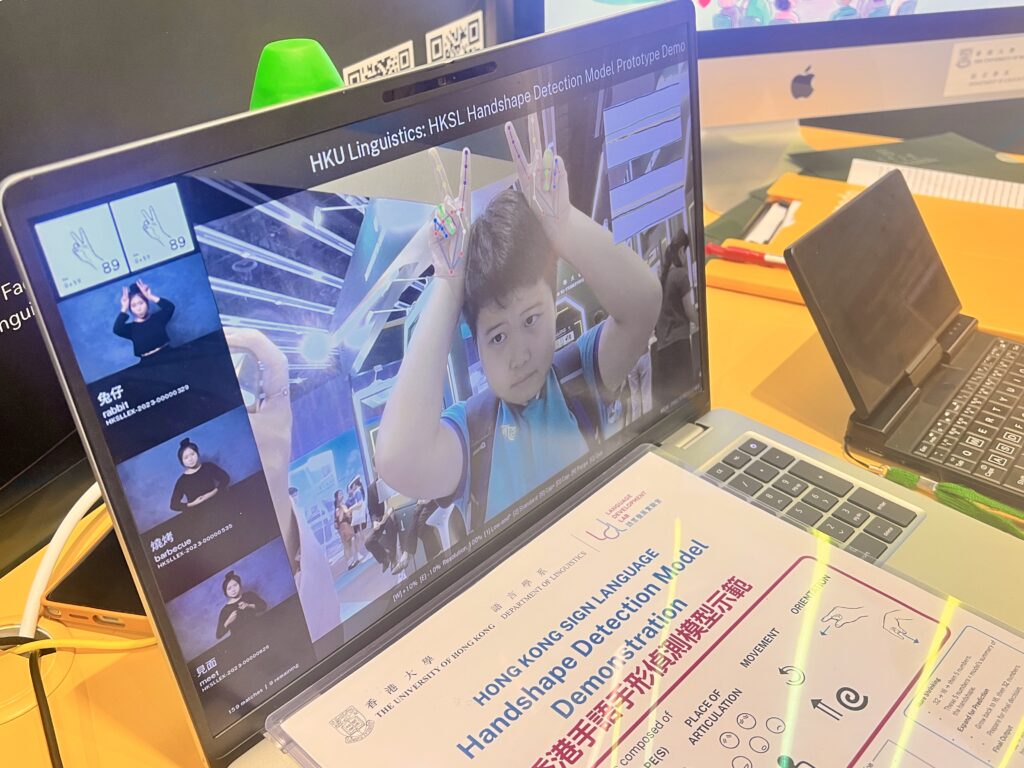
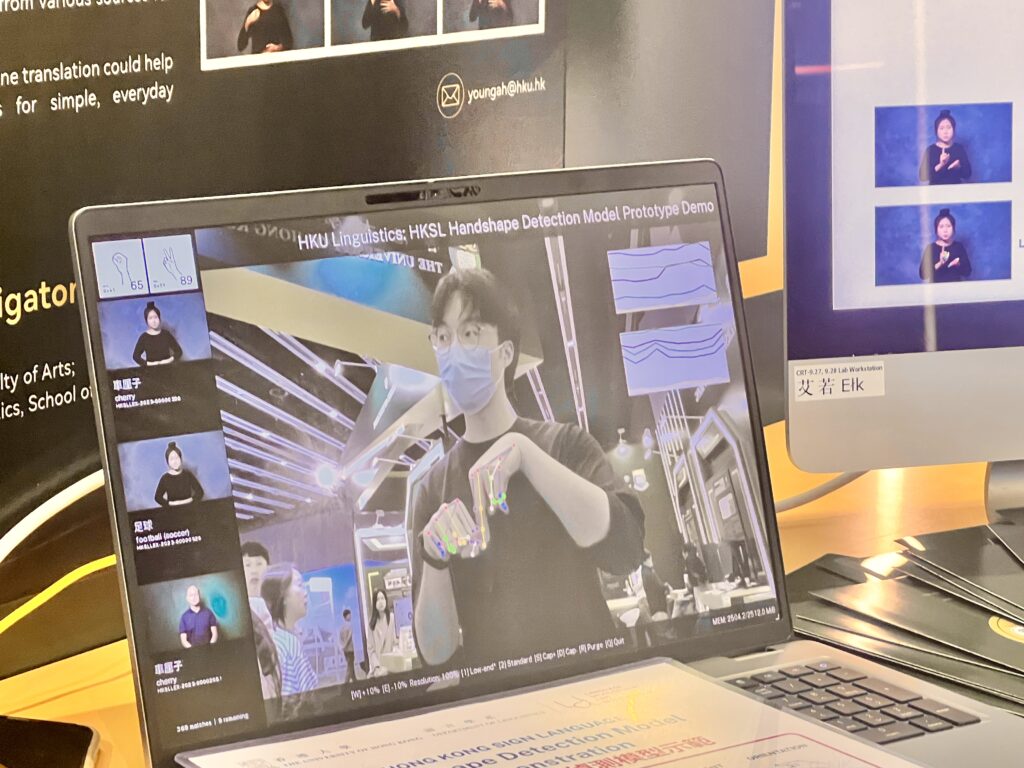
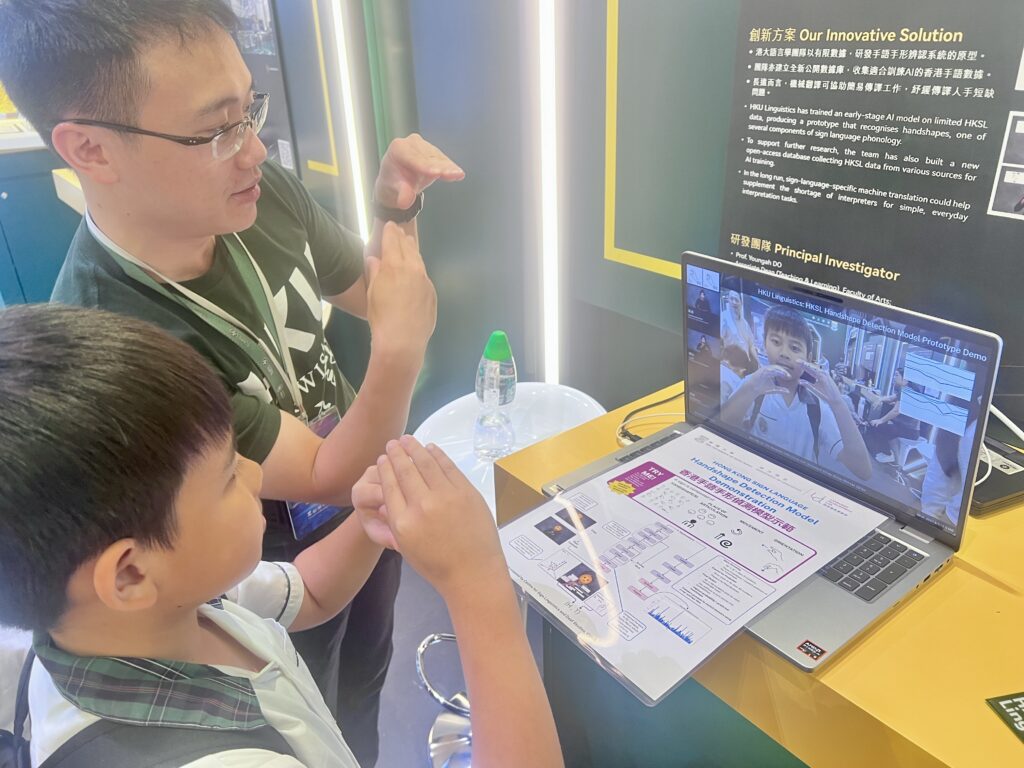
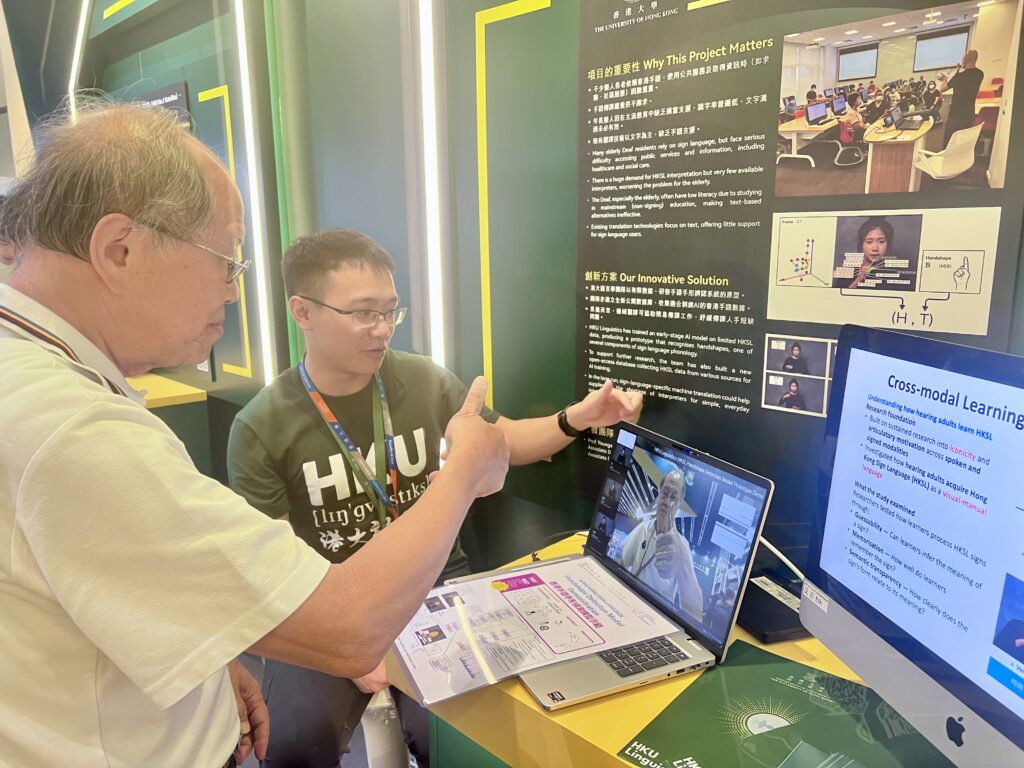
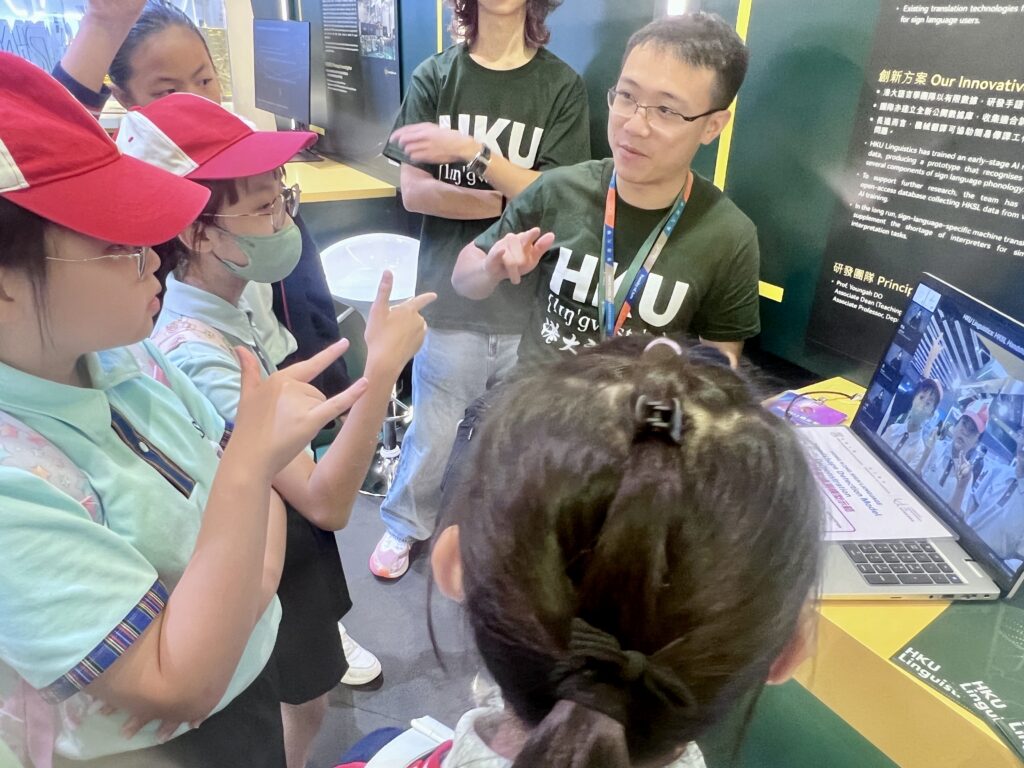
The highlight was our Real-Time Handshape Detection Interactive Session. Visitors stepped in front of a camera and performed simple handshapes or basic signs. Our machine-learning HKSL handshape detection model recognised each handshape instantly, displayed the result on a large screen, and linked it to the corresponding entry in our HKSL database. Each entry included an authentic citation sign video, English and Cantonese translations, and handshape annotations.

It was genuinely inspiring to see young children, elderly visitors, students, families, and curious members of the public experiencing AI-powered sign language technology together. Children enjoyed trying playful handshapes, while adults explored more complex signs, creating a quick, rewarding, hands-on experience that showed how AI can help support and preserve an endangered language.

Looking ahead, we hope this work will contribute to broader HKSL access across healthcare, transport, digital finance, family learning, and professional interpreting pathways in Hong Kong.

InnoCarnival 2026 reminded us that innovation is at its most powerful when it brings people closer together. Through AI and HKSL research, we are proud to take another step towards a more inclusive and accessible future.

Categories
All Lab News

Showcasing Our Handshape Detection Model at HKU Information Day 2026

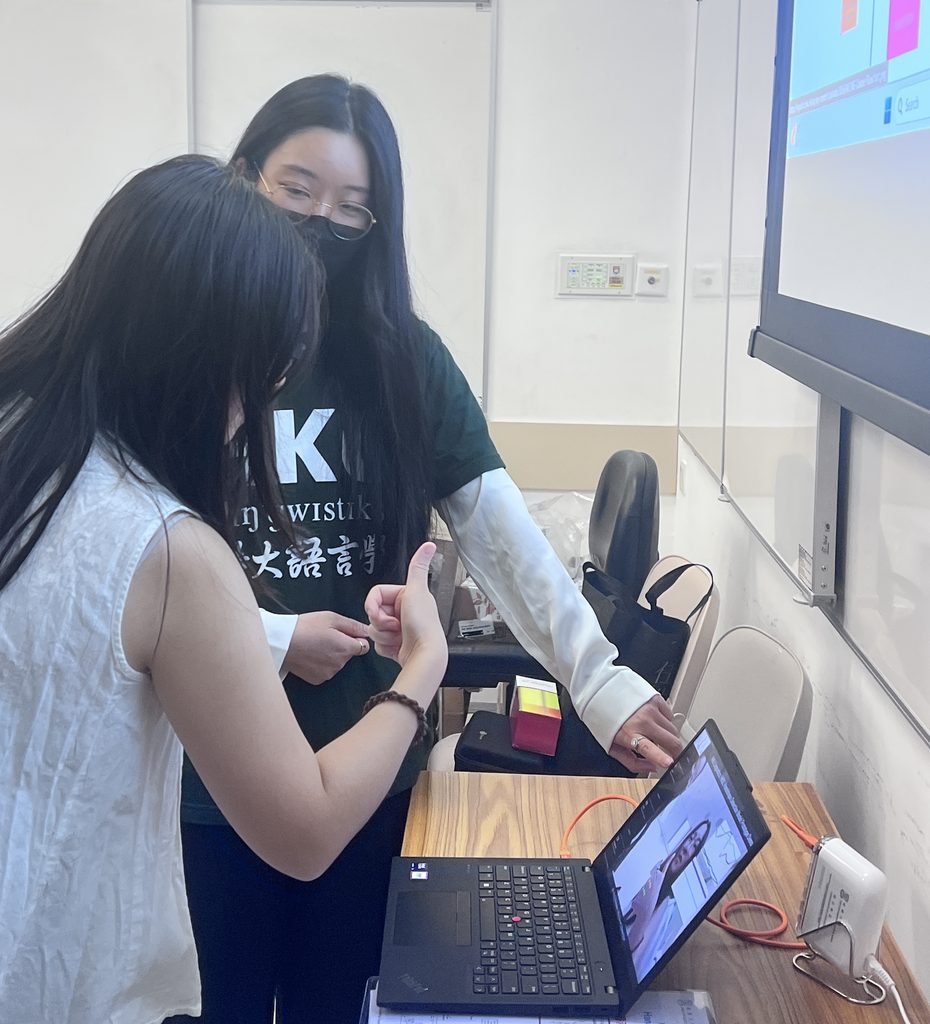
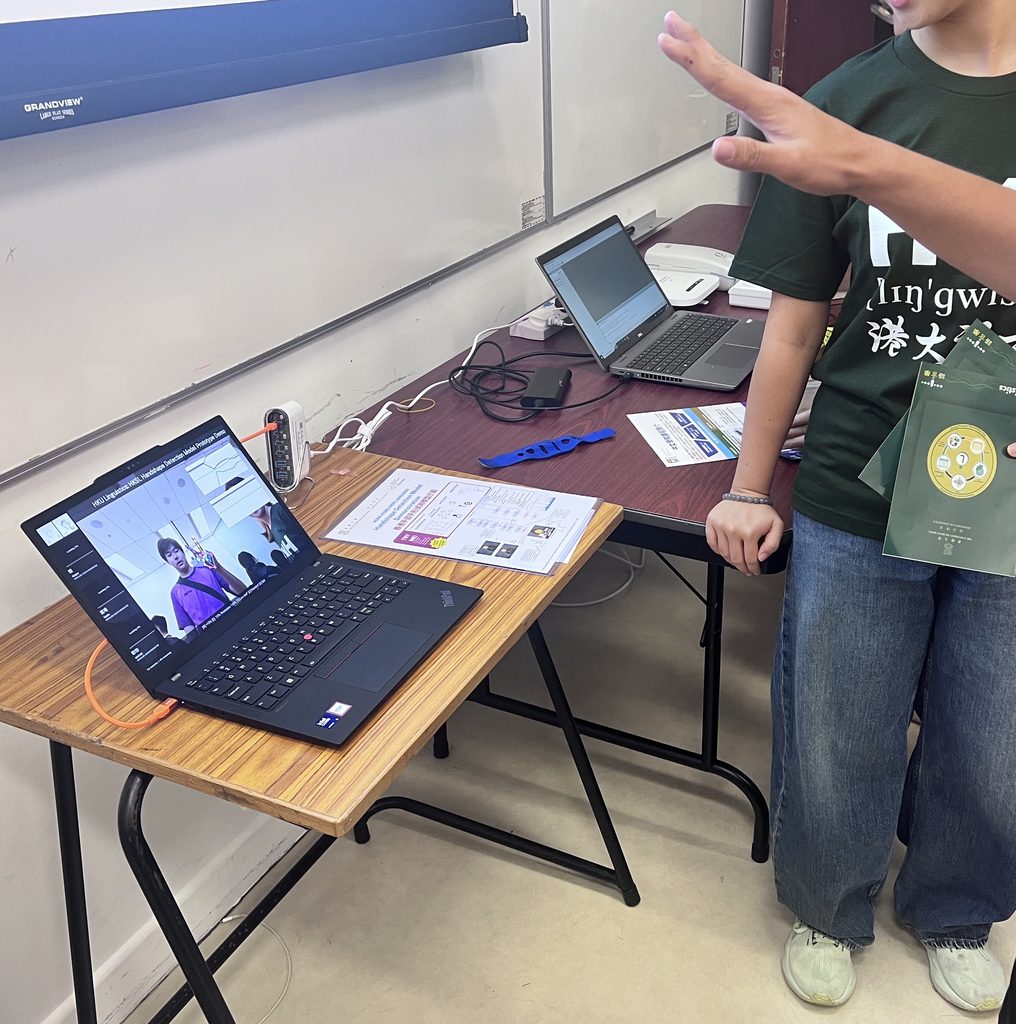
On 24 October 2026, HKU held its Information Day for Undergraduate Admissions 2026. At our booth, we were excited to demonstrate our Handshape Detection Machine Learning Model.

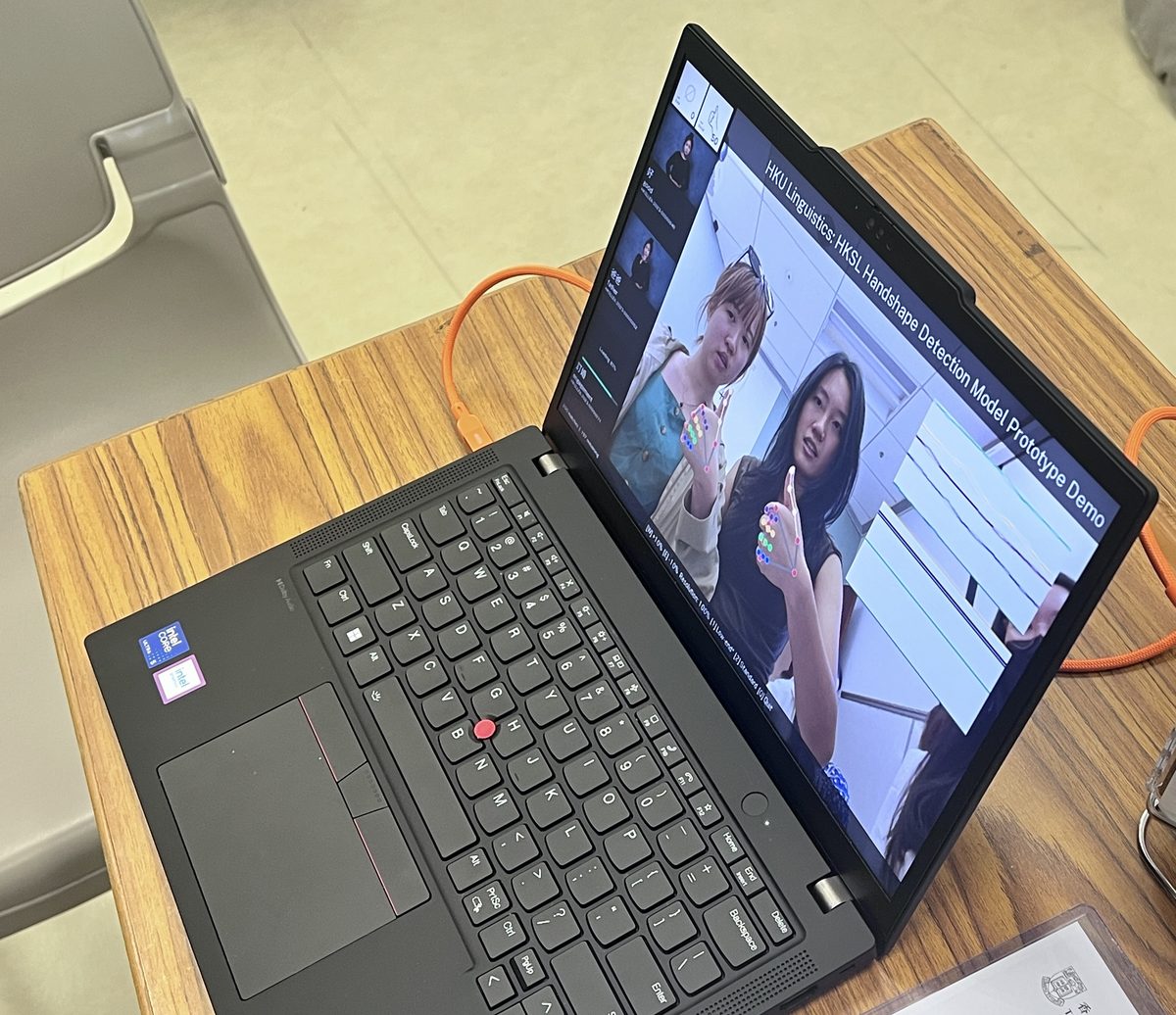
The activity introduced visitors to Hong Kong Sign Language (HKSL) and showed how technology could support sign language learning and Deaf culture awareness. Many visitors were very interested in the demonstration and enjoyed trying to make signs with their hands.

Visitors of all ages stood in front of a camera and performed simple handshapes or basic signs. Our machine-learning model instantly recognised the handshape and displayed the result on a screen. The system then linked the detected handshape to the matching entry in our HKSL database.

Many visitors were impressed by the quick response of the system and were curious to learn more about sign language. Some visitors tried several signs and compared their handshapes with the examples shown on the screen.Through this demonstration, we hoped to promote a better understanding of Hong Kong Sign Language, celebrate Deaf culture in Hong Kong, and show how technology could make language learning more accessible and engaging for everyone.

Categories
All Lab News

Youngah Shares Computational Modeling Research at Peking University

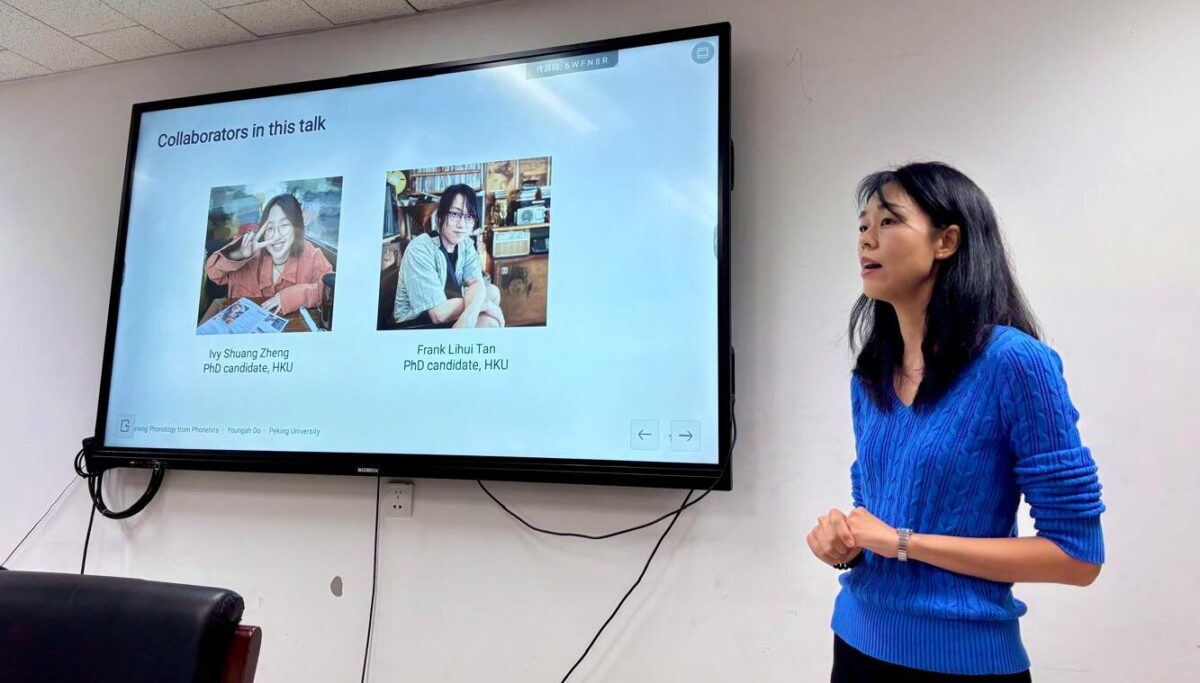
Youngah was invited by Peking University to discuss her recent research on how phonological knowledge emerges from phonetics. She covered four studies conducted with Ivy and Frank, demonstrating through computational models how abstract phonological patterns—such as phonotactic constraints and segmental categories—can be learned from continuous acoustic and articulatory data without relying on pre-defined categories.

Her models, including distributional learners and neural networks, showed that statistical regularities guided by formal biases can produce phonological generalizations, effectively bridging phonetics and phonology. The work suggests that similar biased learning mechanisms support both first-language acquisition and adult language learning, challenging the idea of innate primitives.

Categories
All Lab News

From Classroom to Lab: Exploring Language and the Mind

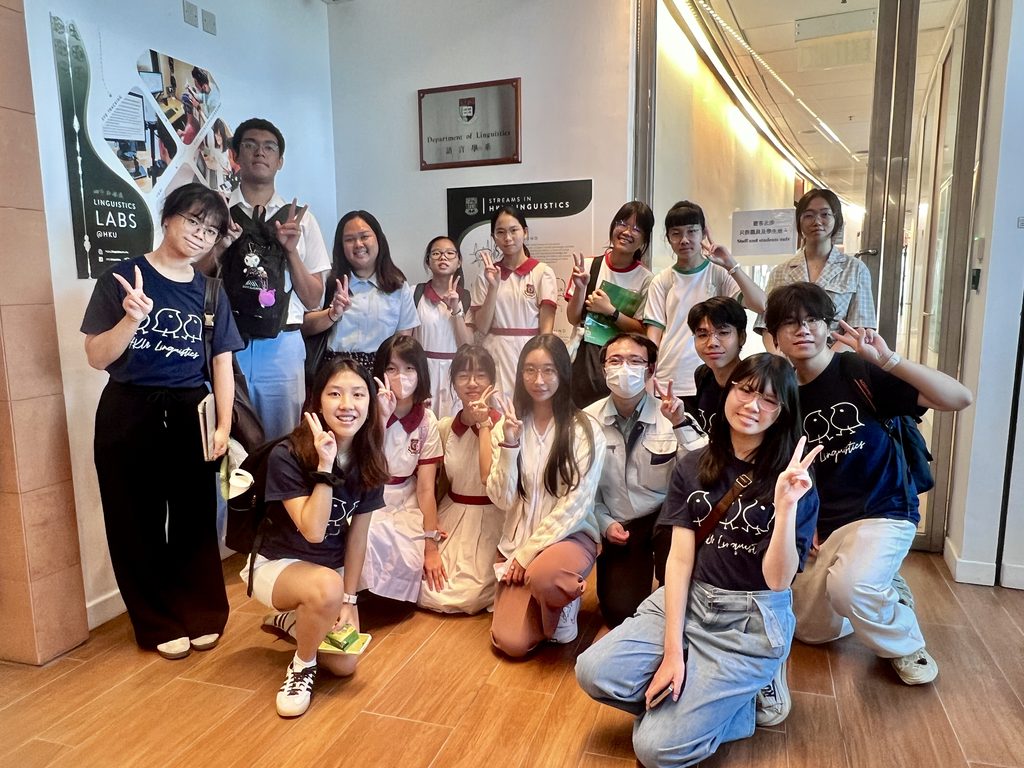
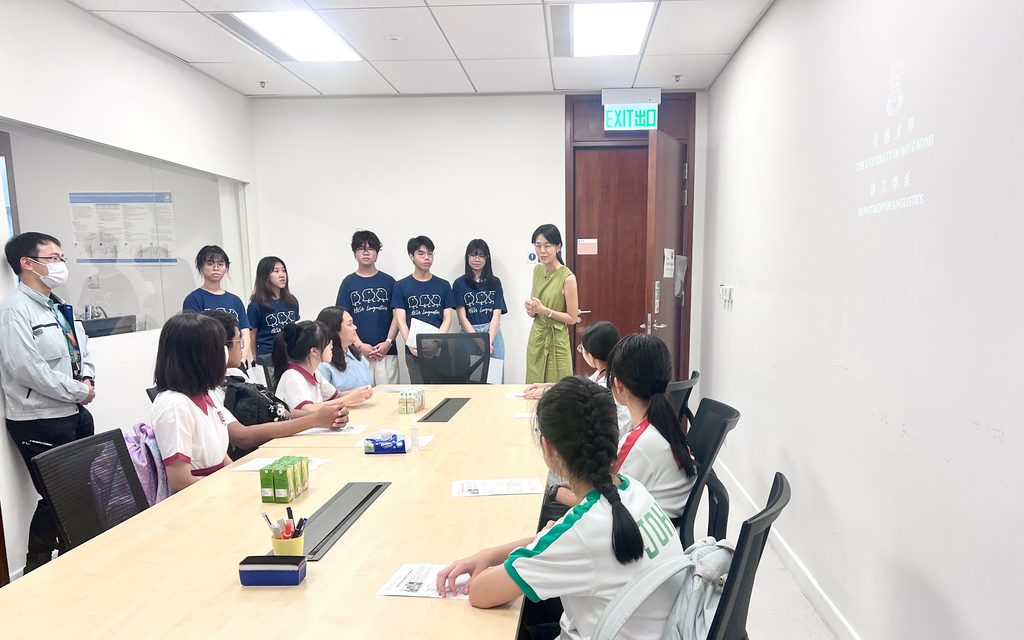
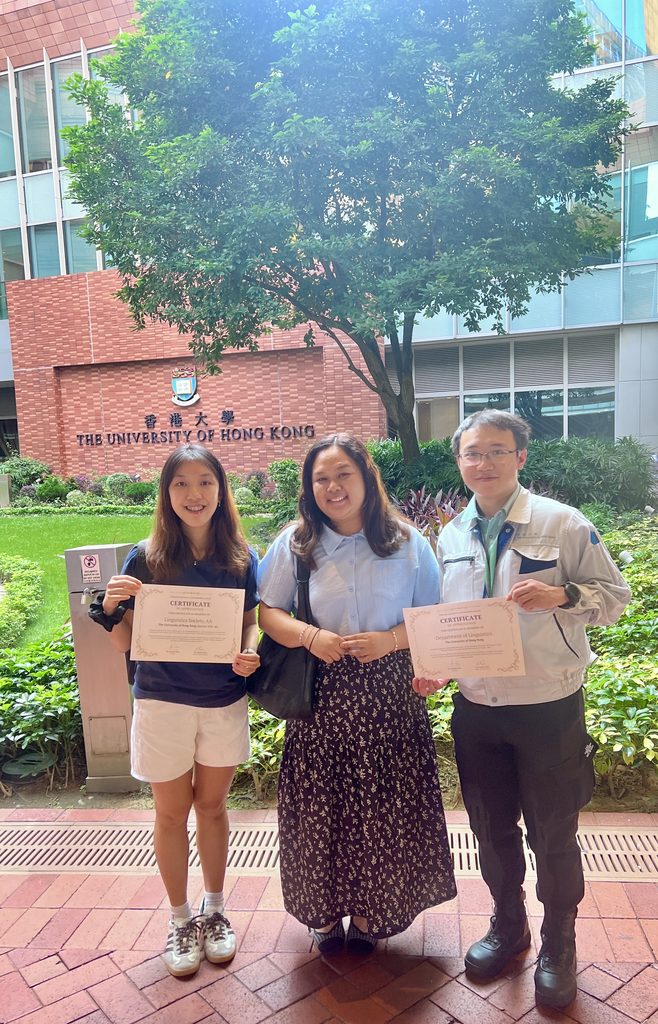
Our Lab was delighted to welcome a group of Form 2–4 students from Christian Alliance S. C. Chan Memorial College for a school visit co-organized with the Linguistics Society. The visit was designed to introduce students to the fascinating world of linguistics and offer them a hands-on learning experience in language studies and cognitive science.

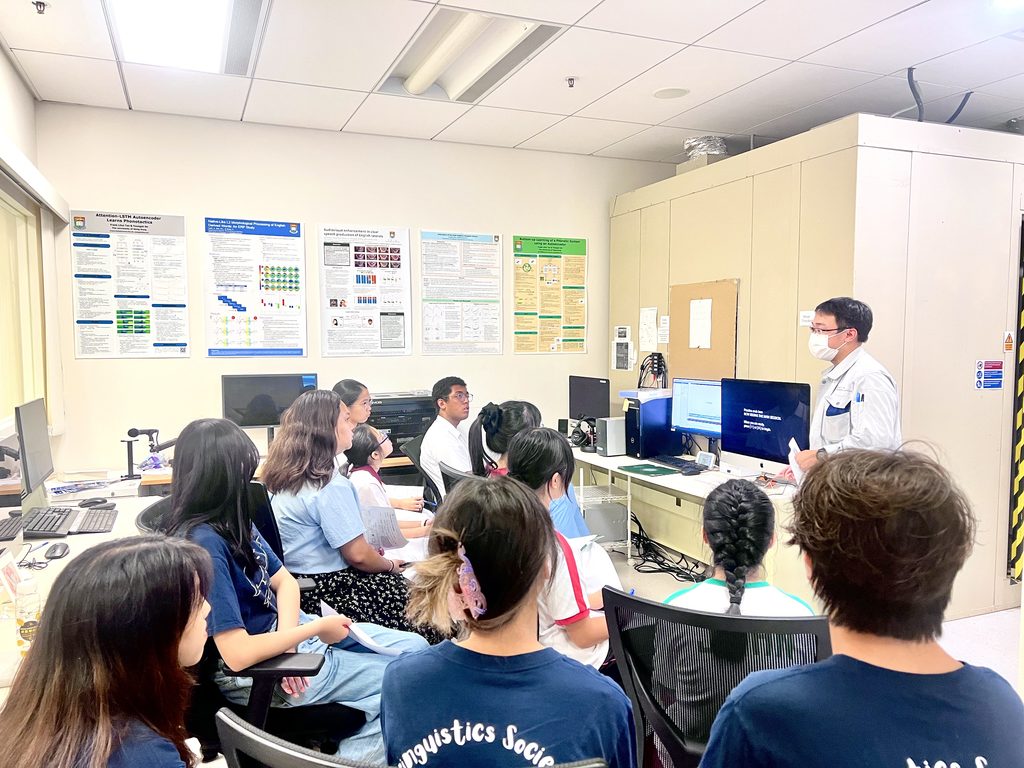
During the visit, we demonstrated a Lexical Decision Task (LDT) experiment and introduced a priming effect study to illustrate how people process words and meanings. One student volunteered to take on the role of a participant, gaining first-hand experience of what it is like to be part of a research study, while the others observed, recorded data, and learned how to analyse the results from a researcher’s perspective.

The students also toured our lab and Sound Booth, gaining insight into the facilities and equipment used in linguistic research. They were enthusiastic throughout the visit, actively joining the discussion and asking many thoughtful questions. We truly enjoyed the warm and inspiring exchange, and we hope the students found the visit meaningful, rewarding, and enjoyable.

Categories
All Lab News

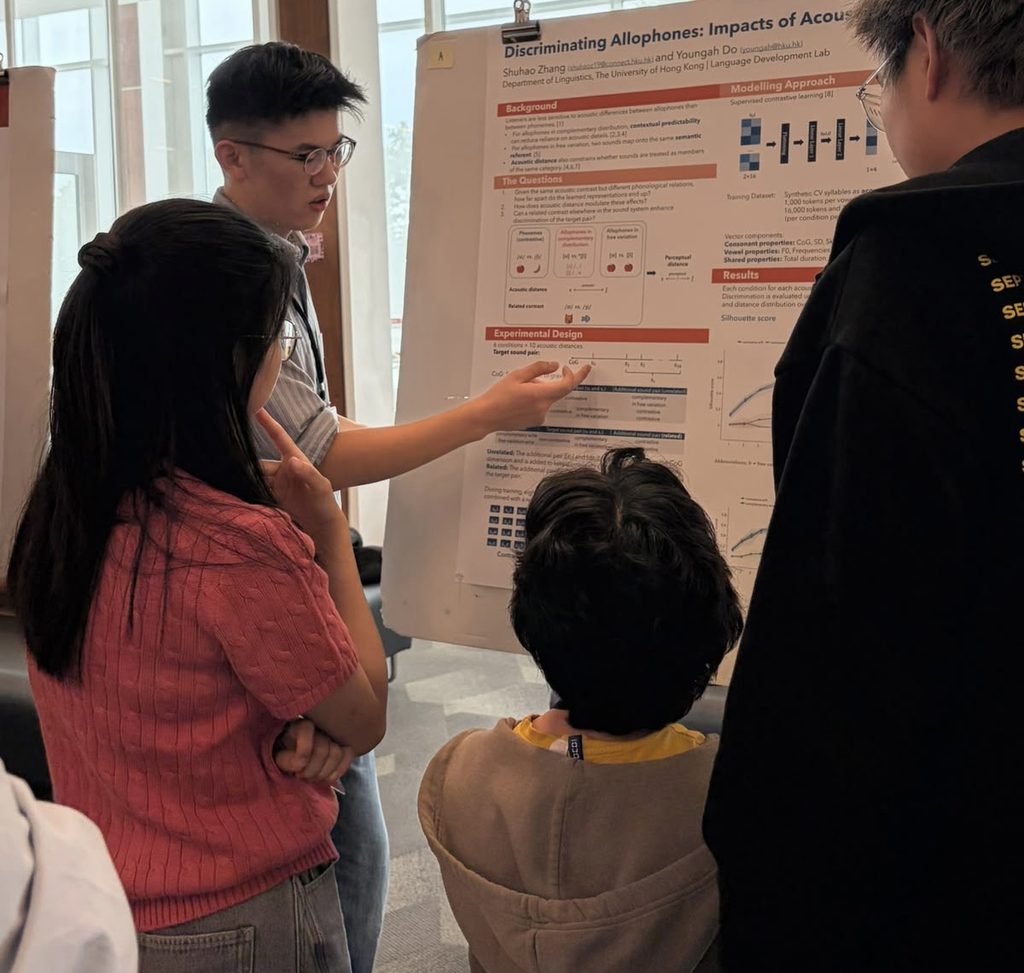
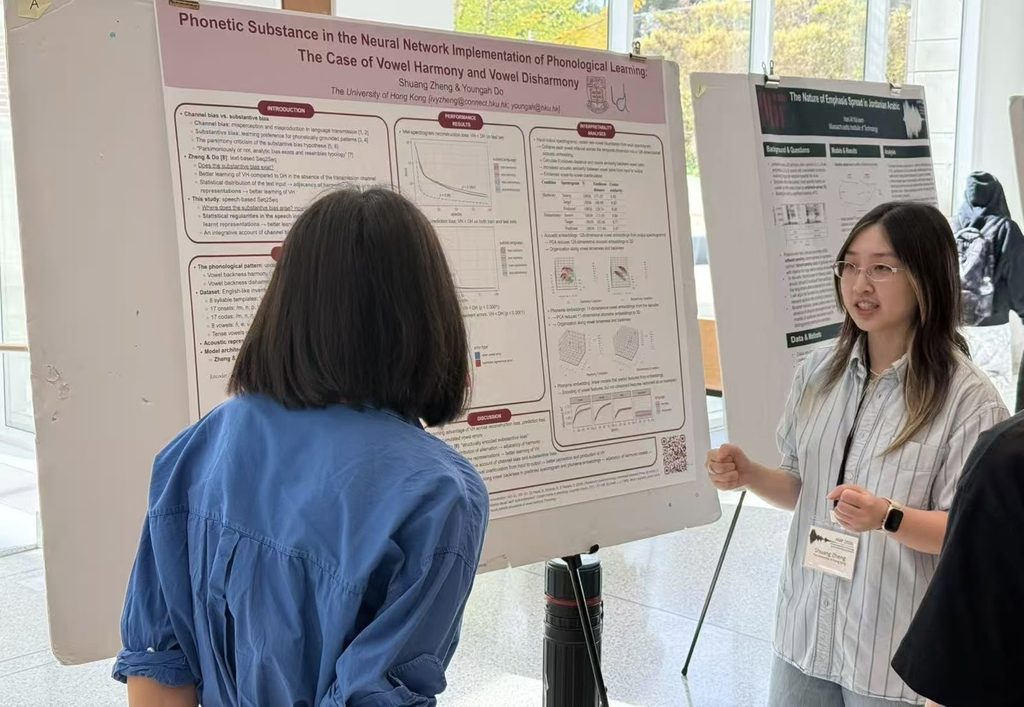
Shuhao and Ivy Share Their Work at the Annual Meeting on Phonology 2026

Shuhao and Ivy, presented their research at the Annual Meeting on Phonology (AMP) 2026, held from 9–11 October 2026 at the University of Maryland, College Park. The conference was hosted in person by the UMD Department of Linguistics and brought together researchers working on a wide range of topics in phonology and phonetics.

Ivy presented in the poster session on 9 October. Her poster, titled “Phonetic Substance in the Neural Network Implementation of Phonological Learning: The Case of Vowel Harmony and Vowel Disharmony,” was co-authored with Youngah.

Shuhao presented in the poster session on 10 October. His poster, titled “Discriminating Allophones: Impacts of Acoustic, Contextual, and Semantic Factors,” was co-authored with Youngah. Congratulations to Shuhao and Ivy on sharing their work at this international phonology conference!

The full conference schedule is available here: AMP2026 Program.

Categories
All Lab News

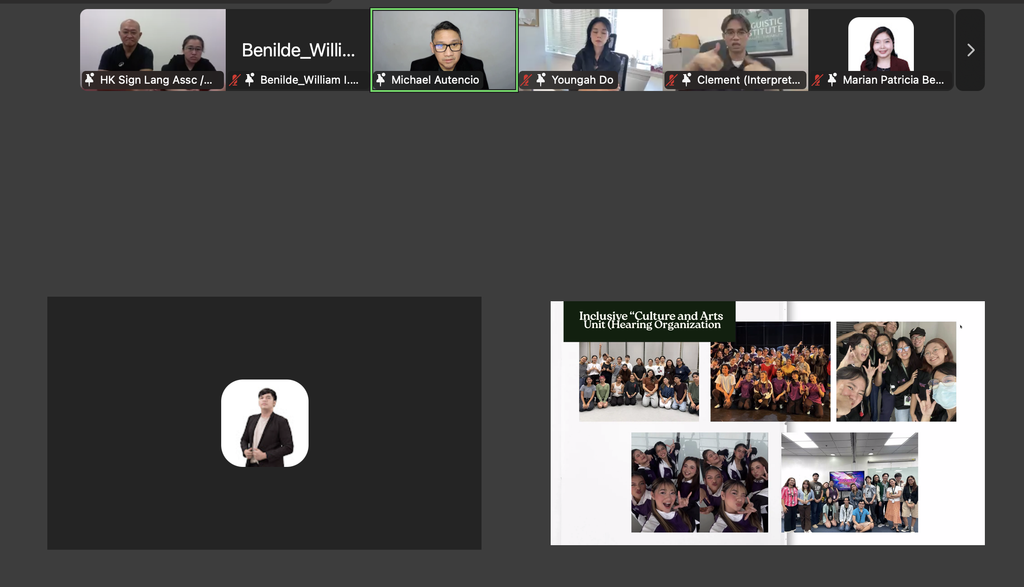
Empowering Deaf Voices: Connecting Hong Kong and the Philippines for Inclusive Change

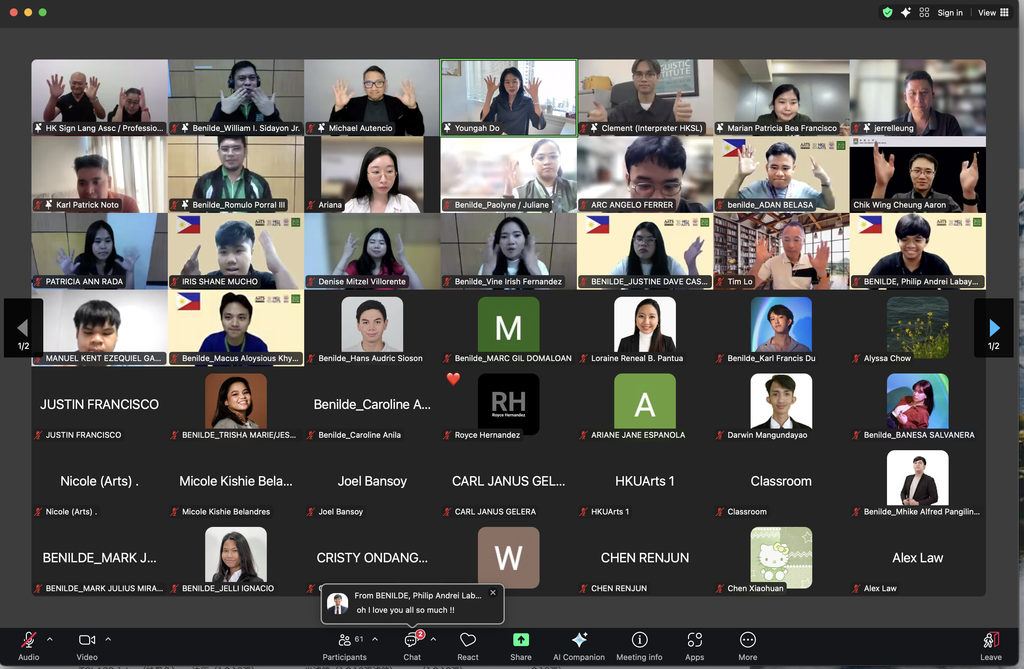
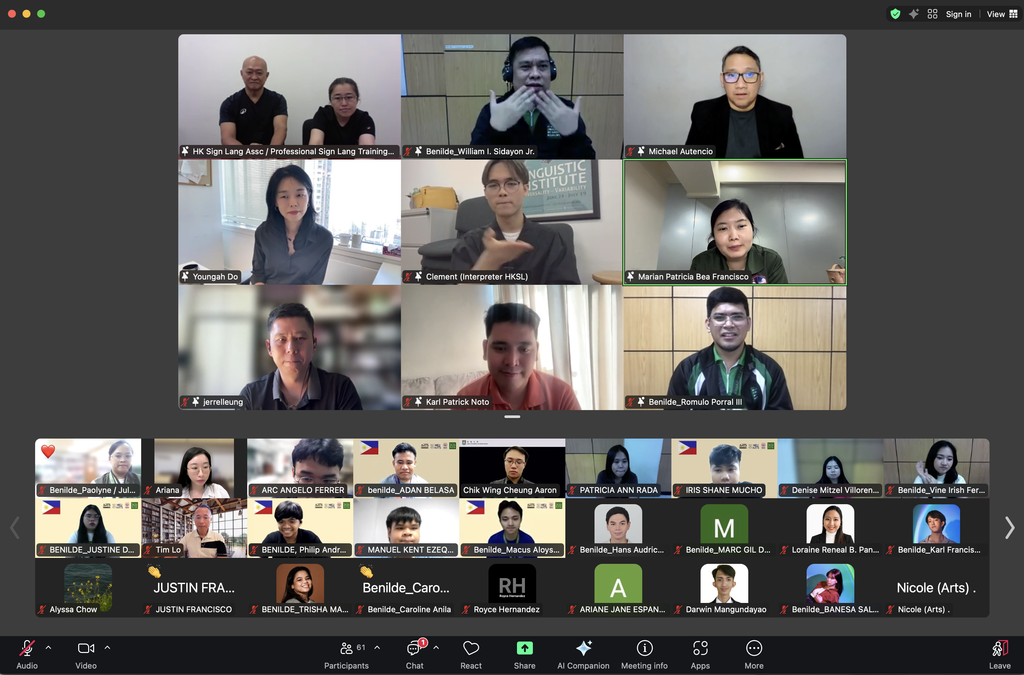
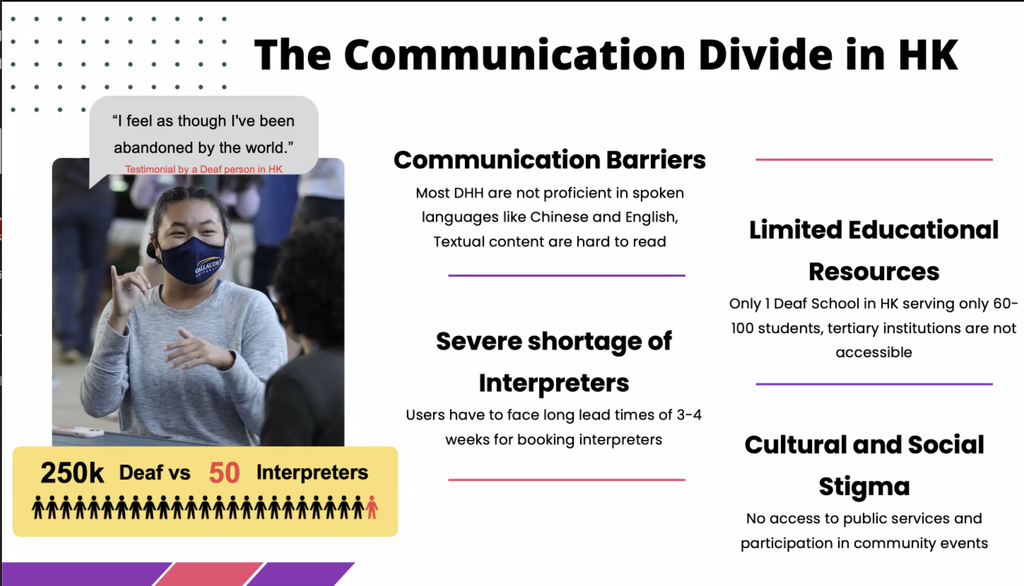
On 9 October, HKUArts and De La Salle–College of Saint Benilde co-organised the online workshop “Empowering Deaf Voices: Connecting Hong Kong and the Philippines for Inclusive Change.” Held via Zoom, the event brought together Deaf educators, students, faculty, advocates, and industry professionals from both regions to exchange ideas on Deaf cultures, accessibility, and inclusion.

We were honoured to welcome Mr. Kai-fung Wang from the Hong Kong Sign Language Association, Ms. Wan-Ki Kong from the Professional Sign Language Training Centre, and Dr. Jerrel Leung, Co-Founder of Impact AI. The session was moderated by Professor Youngah Do from HKU’s School of Humanities (Linguistics), with HKSL–English interpretation provided.

The workshop highlighted the importance of accessible communication, cross-cultural collaboration, and empowering Deaf voices in education, advocacy, technology, and community life. Participants shared meaningful reflections on how Hong Kong and the Philippines can learn from one another to support inclusive change.

We sincerely thank all speakers, organisers, interpreters, and participants for making this event an engaging and inspiring exchange.

Categories
All Lab News Publication

“Tone contour identification from the perspective of production” published in Journal of East Asian Linguistics 

A new paper by Zhihao and Youngah, Tone contour identification from the perspective of production, has been published in the Journal of East Asian Linguistics.

The study addresses a recurring challenge in tone research: the same linguistic tone can sometimes be described as having different contour shapes across different sources. One reason is that a tone’s intended contour can be distorted when it is actually produced, making it difficult to determine whether its target shape is level, rising, or falling from the observed pitch pattern alone.

The results show that commonly used measurements such as pitch range and slope can sometimes be ambiguous, particularly when distinguishing level tones from rising or falling tones with relatively small pitch ranges. The study instead identifies three measures related to the “steadiness” of pitch movement that provide a clearer distinction between level and non-level contours. A case study applying the method to tones from the Xiangtan and Jian’ou Chinese dialects further demonstrates how these measures can help resolve ambiguous contour classifications.

The study provides a broader set of quantitative diagnostics for identifying tone contours from production data and offers a new perspective on why contour transcriptions may differ across descriptions of Chinese dialects. Future work can extend this production-based approach to more complex contours and potentially contribute to automatic classification of linguistic tone contours.

Wang, Z., & Do, Y. (2026). Tone contour identification from the perspective of production. Journal of East Asian Linguistics, 35, Article 22. open_in_new DOI

Categories
All Lab News

A helping hand for the Deaf elderly by recognizing handshapes

Our lab will showcase our project at InnoCarnival 2026, focusing on supporting Hong Kong’s elderly Deaf community through advanced technology. This initiative employs cutting-edge AI-powered real-time handshape recognition to assist in preserving Hong Kong Sign Language (HKSL), a vital element of our city’s cultural heritage.

Designed with elderly users in mind, the system allows individuals to form signs in front of a camera and receive immediate feedback: accurately identifying handshapes, displaying authentic video examples, and providing translations in both English and Cantonese, sourced from a comprehensive database of HKSL.

This project not only helps preserve an endangered language but also promotes greater inclusion for elderly members of the Deaf community, many of whom have limited access to spoken and written languages. By making advanced technology accessible, educational, and engaging for seniors, it fosters intergenerational understanding and strengthens community bonds. Ultimately, it exemplifies how AI can serve both cultural preservation and social empowerment, ensuring that no one is left behind.

Categories
All Lab News Publication

“Conservativity in the scope of phonological generalization learning” published in Linguistics Vanguard

We are pleased to share a new publication by Adam, Bingzi, and Youngah in Linguistics Vanguard: “Conservativity in the Scope of Phonological Generalization Learning.”

The study investigates how people learn phonological patterns, or regularities in the sound systems of languages. In many languages, sound changes known as phonological alternations occur when words combine with affixes, often reflecting broader restrictions on which sound sequences are allowed in the language. Because of this relationship, many theories of phonology assume that knowledge of alternations and knowledge of phonotactics (sound-pattern restrictions within words) are closely linked.

These findings suggest that learners are conservative when extending newly learned phonological generalisations to unfamiliar morphological contexts. Together with previous research, the results indicate that the relationship between phonological alternations and phonotactic knowledge may not be as tightly connected in learning as some theoretical models have proposed.

Chong, A. J., Yu, B., & Do, Y. (2026). Conservativity in the scope of phonological generalization learning. Linguistics Vanguard. open_in_new DOI